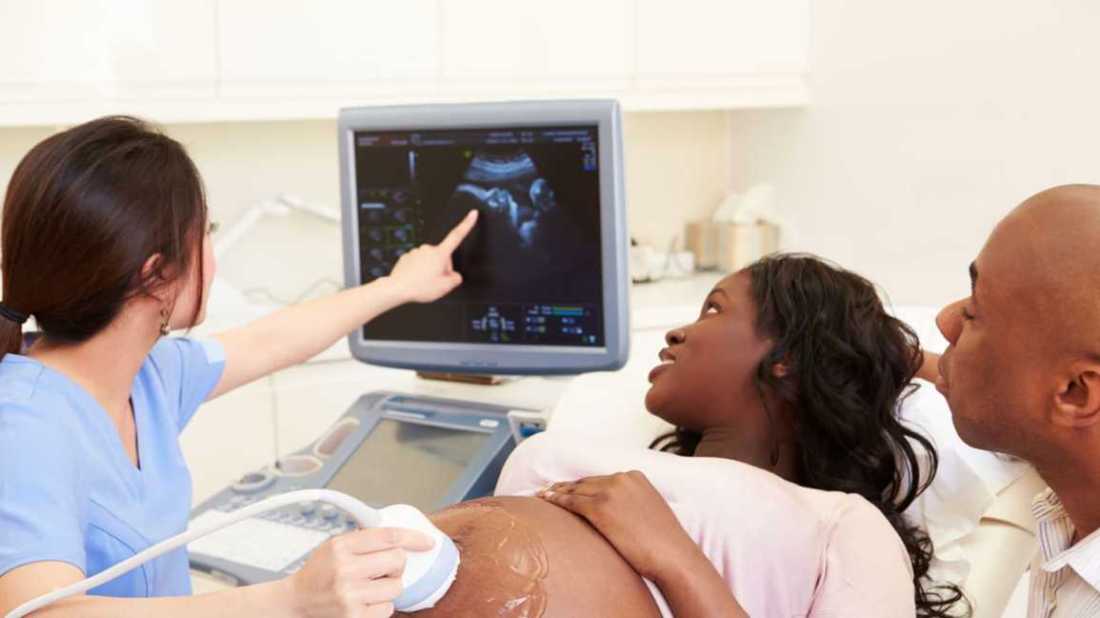
Sonographer’s, more commonly known as ultrasound technician’s, play a critical role in the process of identifying medical conditions and illnesses. It is a challenging, rewarding and exciting field to be in, as it is always changing and evolving. An example of that being the introduction of 3D ultrasound scans, which allow you to see your child’s face for the first time and get a real life look at your unborn baby. Ultrasound’s are widely known and recognized for the ability to monitor the growth of a fetus, and for allowing the parent’s to see their child and hear his or her heartbeat for the first time. This specific branch of Sonography is called obstetric sonography, and it is what I will be specializing in upon graduation.
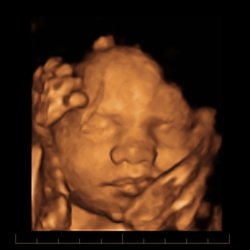
Other types of ultrasounds include, abdominal, which monitors gall bladder, liver, kidney spleen and other organs. As well as cardiac, which observes the heart and can be crucial for spotting blockages of the heart valves – which can cause severe health complications.
Skills for Employment
Attention to detail is critical skill for ultrasound technicians. UT’s send their scans to doctors and various healthcare professionals to be analyzed and used for a formal diagnosis. This means the technician must follow instructions carefully to ensure every step is done properly to the last detail. Any mishap or abnormality in the original scan can affect the the accuracy of the final diagnosis.
The ability to be discrete is a very important skill for ultrasound technicians. Often times, the ultrasound technician will be the first step in the diagnostic process, meaning they will be the first to see any sort of problem. However, since technicians are not trained to make a final diagnosis, they must be discrete and professional and not make any premature medical conclusions until the doctor has seen the scan and made a complete diagnosis.
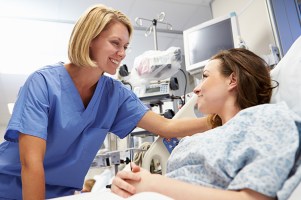
Interpersonal skills, specifically bedside manner. Bedside manner is the doctor’s – or in this case the ultrasound technician’s attitude and demeanor when interacting with a patient. In most cases, the patient is likely nervous and on edge when dealing with medical issues, especially ones that might be a sensitive topic like a pregnant woman who has had a miscarriage in the past. For this reason, it is important that the technician answers all questions clearly, concisely and with sensitivities in mind to ensure the patient is comfortable. As said in a journal article by Barry Silverman, “a good doctor has a bedside manner that is humane and compassionate, empathetic and supportive.” (Silverman, 2012).
Required Education
The pathway that I feel will be most beneficial after completing Pre-Health is the Ontario College Advanced Diploma in Diagnostic Medical Sonography.
This program is offered at St. Clair College in Windsor and is accredited by the:
- Canadian Medical Association (CMA)
The program and objectives are aligned with the:
- Current National Competency Profiles (NCP)
- Canadian Association of Registered Diagnostic Ultrasound Professionals (CARDUP)
- Canadian Society of Diagnostic Medical Sonographers (CSDMS) boards.
Upon completion, graduates are eligible to write the Sonography Canada Generalist Sonographer credentialing examination.
These components are crucial, as they will be what prospective employers will be looking for in the hiring process. This, in combination with practical experience (clinical placement) will make you a well-rounded applicant, greatly increasing your chance of getting the job.


 Canadian university or college and receive a baccalaureate degree in nursing. Finally, they must take and pass the Canadian RN entry-to-practice exam. After all these criteria are met, one can practice as a registered nurse in Ontario.

 Employability in Healthcare