Ultrasound Technician

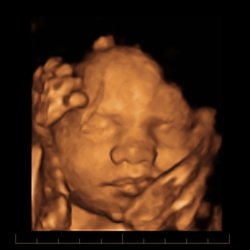
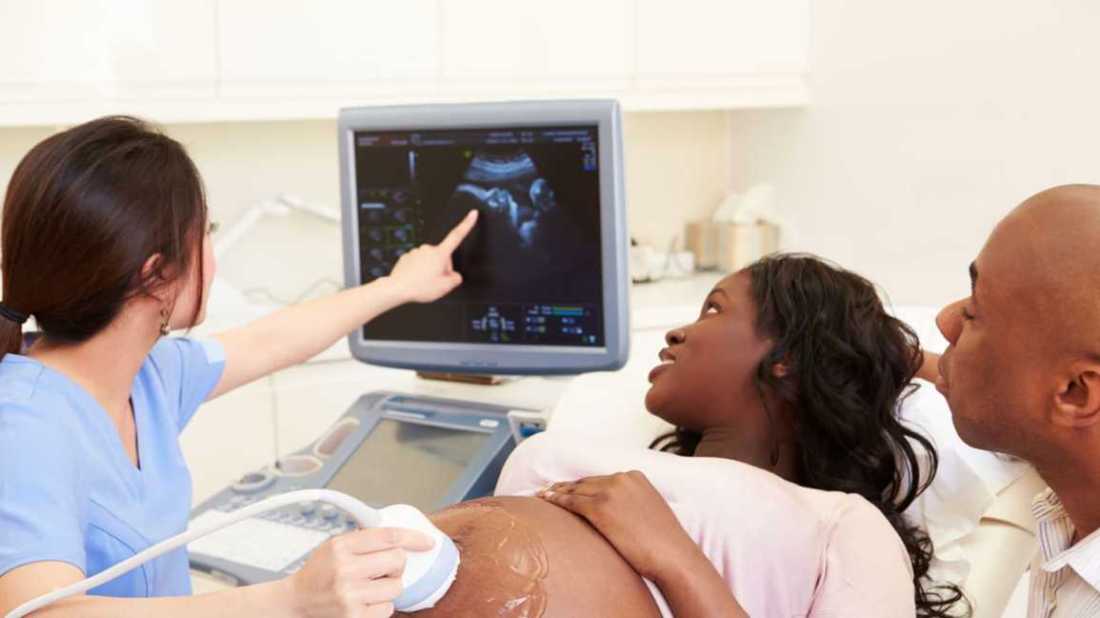
Sonographer’s, more commonly known as ultrasound technician’s, play a critical role in the process of identifying medical conditions and illnesses. It is a challenging, rewarding and exciting field to be in, as it is always changing and evolving. An example of that being the introduction of 3D ultrasound scans, which allow you to see your child’s face for the first time and get a real life look at your unborn baby. Ultrasound’s are widely known and recognized for the ability to monitor the growth of a fetus, and for allowing the parent’s to see their child and hear his or her heartbeat for the first time. This specific branch of Sonography is called obstetric sonography, and it is what I will be specializing in upon graduation.
ls

Other types of ultrasounds include, abdominal, which monitors gall bladder, liver, kidney spleen and other organs. As well as cardiac, which observes the heart and can be crucial for spotting blockages of the heart valves – which can cause severe health complications.

Skills for Employment

Attention to detail is critical skill for ultrasound technicians. UT’s send their scans to doctors and various healthcare professionals to be analyzed and used for a formal diagnosis. This means the technician must follow instructions carefully to ensure every step is done properly to the last detail. Any mishap or abnormality in the original scan can affect the the accuracy of the final diagnosis.

The ability to be discrete is a very important skill for ultrasound technicians. Often times, the ultrasound technician will be the first step in the diagnostic process, meaning they will be the first to see any sort of problem. However, since technicians are not trained to make a final diagnosis, they must be discrete and professional and not  make any premature medical conclusions until the doctor has seen the scan and made a complete diagnosis.

Interpersonal skills, specifically bedside manner. Bedside manner is the doctor’s – or in this case the ultrasound technician’s attitude and demeanor when interacting with a patient. In most cases, the patient is likely nervous and on edge when dealing with medical issues, especially ones that might be a sensitive topic like a pregnant woman who has had a miscarriage in the past. For this reason, it is important that the technician answers all questions clearly, concisely and with sensitivities in mind to ensure the patient is comfortable. As said in a journal article by Barry Silverman, “a good doctor has a bedside manner that is humane and compassionate, empathetic and supportive.” (Silverman, 2012).
ultrasound-header

Required Education 

The pathway that I feel will be most beneficial after completing Pre-Health is the Ontario College Advanced Diploma in Diagnostic Medical Sonography.

This program is offered at St. Clair College in Windsor and is accredited by the:

  •  Canadian Medical Association (CMA)

The program and objectives are aligned with the:

  •  Current National Competency Profiles (NCP)
  •  Canadian Association of Registered Diagnostic Ultrasound Professionals (CARDUP)
  •  Canadian Society of Diagnostic Medical Sonographers (CSDMS) boards.

Upon completion, graduates are eligible to write the Sonography Canada Generalist Sonographer credentialing examination.

These components are crucial, as they will be what prospective employers will be looking for in the hiring process. This, in combination with practical experience (clinical placement) will make you a well-rounded applicant, greatly increasing your chance of getting the job.
 

Employability Skills:Nursing

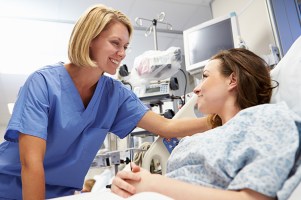
imagesnurse_1-300x219

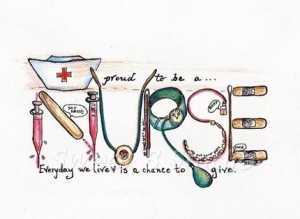
The key aspect that will be discussed throughout this document will be focused on the employability skills that are to be accomplished and maintained in order to progress through to the future when it comes to future careers and in particular a nursing career path.

-Basic key skills:
-Communication
-Teamwork
-Problem Solving
-Initiative and enterprise
-Planning and organizing
-Self-management
-Learning
-Technology

Views on communication should be quite the obvious, nothing can be accomplished when communication isn’t strong. Nurses are to have excellent communication skills in order to transmit information from one source to another, like instructing and educating patients to briefing doctors and other nurses on a certain patient’s evaluation and the changes in a patient’s status. This is so key because your communication skills are outlined and put to the test once you’re in charge of health information being translated into technical terms. Nurses are to listen carefully to patient’s and family to be able to further tap into establishing how to communicate compassion, empathy, respect and confidence to those patients that may be frightened or angry is critical.

Teamwork is demonstrated through how you work with others and it’s also super important because almost every day in life you are to be working with people all around you. From beginning to start of a career path of nursing, you are to work with not only you’re patient but the whole team that has role and influence within the process.

Learning how to problem solve to develop an accurate and discrete way of how to approach the many different cases of a patient. You are to be a fast thinker and be able to know exactly what is to be the solutions to a patient’s sickness, gaining more knowledge even for future action.

When you take on any career, it’s known that are to have initiative at every point of tasks within your job position. If you want to be successful as a nurse, you must have one hundred percent dedication and motivation to reach the criteria.

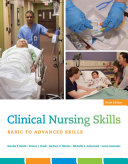
There are so many different ways you will discover and learn all about the different ways to becoming a successful nurse and right here is a referral that is to show an example of a guide book that would help you reach you’re goals:content

In conclusion, I must keep this short so to briefly go over the last few components which is just have drive and commitment to be a nurse. Know that it’s what you desire and want to be accurate with.


Emergency Room Nurses

Emergency room nurses work in critical care facilities and help doctors treat patients in serious amounts of pain and potentially life-threatening trauma. ER nurses are often the first line of defense for many urgent medical emergencies.

er-patient-safety

Nurses work as part of a team with doctors, other nurses, and other healthcare professionals. They do a variety of tasks including administering medicine, advising patients and their families on illnesses and care after their hospital stay, preforming minor medical procedures, and monitoring health conditions of multiple patients. Even though nurses often work as part of a team, they must be able to work independently and take leadership when needed. The following video will further explain what emergency room nurses do daily.

To practice as a registered nurse in Ontario, one must have completed high school. After that, they must complete a 4-year program at an approved examCanadian university or college and receive a baccalaureate degree in nursing. Finally, they must take and pass the Canadian RN entry-to-practice exam. After all these criteria are met, one can practice as a registered nurse in Ontario.
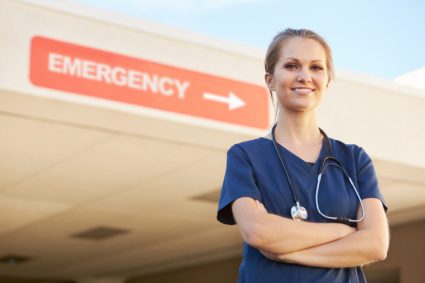
Apart from the required schooling, future nurses must posses several personal skills;

Empathy and compassion: These are among the most important skills a nurse must have. A nurse must be able to empathize with their patients. They must be patient at times, show compassion, and have a gentle tone of voice to comfort patients. At other times, a nurse must be able to be firm with their decisions and give the patients confidence in what they’re going.

Communication skills: Also key in being a successful nurse. Nurses must be able to listen intently, interpret the information, and take appropriate actions. Nurses must also have good negotiation skills, as they will need to convince doctors of appropriate treatments for patients.

Team player: Nurses must be able to function as part of a team. They must show employers that they value and understand the entire team’s efforts, not just their own.

Interpersonal skills: Interpersonal skills are a combination of skills ranging from common sense to a caring and nurturing attitude. During recruitment employers will look for nurses who are passionate about their jobs and are genuinely interested in helping patients and making them feel comfortable.

er nurse


There are many factors that employers look for in a nurse. Aside from the schooling one must complete to even be considered, one must also posses skills that cannot be learning inside of a classroom. Emergency room nurses work in a high stress environment and must be able to function effectively within all the chaos. If a nurse can show that they have all the required person skills, there is no doubt they will be successful in helping patients and making them feel comfortable along the way.

Employability Skills of Nurses Working Within Aboriginal Communities

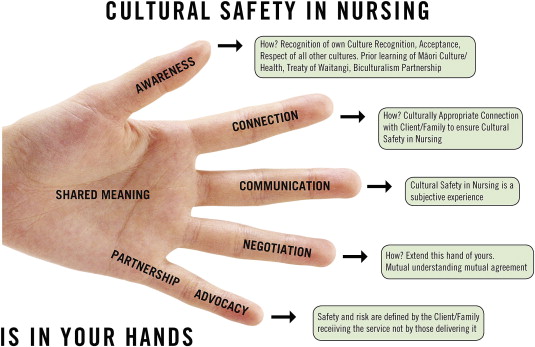
Nurses are an elite group of individuals who have gone through intense training to care for us and our families. The skills that make nurses employable within our communities are important and nursing within an Indigenous community requires those very same skills. However, it also requires a specific set of skills that include the ability to communicate effectively with Aboriginal people and the ability to utilize a concept that the world of healthcare recognizes as cultural safety.

Aside from the required schooling for nursing in any Indigenous communities, which requires a diploma in Registered Practical Nursing or a degree in Registered Nursing, the ability for a health professional to recognize the specific needs of Aboriginal people is just as important and is a developed skill that employers search for.

O’Sullivan (2013) states in their article:

Canadian health care providers need to focus more on offering “culturally competent care” and creating “culturally safe” environments for Aboriginal people, who tend to avoid seeking medical care because of factors such as negative stereotypes and lingering racism, according to a new report by the Health Council of Canada.

blog assignment


Nurses are the bridges from the doctors to their patients. Ensuring a comfortable and secure patient is critical in being successful at nursing in Aboriginal communities. Employability in an Aboriginal community will take recognition that cultural safety is a high priority and cannot be overlooked and these skills are highlighted in Baba’s (2013) article Cultural Safety in First Nations, Inuit and Metis Public Health:

“The National Aboriginal Health Organization (NAHO) states that cultural safety, “within an Indigenous context means that the educator/practitioner/professional, whether Indigenous or not, can communicate competently with a patient in that patients social, political, linguistic, economic and spiritual realm.”

This video can also help you to understand just what cultural safety is and how it plays a huge part in our healthcare system.


Overall, the major skills and necessary training needed to be employable in the indigenous communities are a diploma or degree in nursing and cultural safety training, the ability to recognize cultural differences and learn to work with those to deliver exceptional healthcare. An individual must recognize that this will play a major role in their success working in any of Canada’s Aboriginal communities and on reservations.


Featured

An Introduction to Employability in Healthcare

download-1.jpg

Having a career in healthcare can be fulfilling, rewarding and can greatly improve the quality of life for yourself and those you dedicate your time to helping. Nurses and healthcare providers are passionate about what they do and are always striving to provide the most attentive and accurate care possible. This blog will shed a light on a few specific careers in healthcare, and the skills and abilities needed to be successful in your chosen path.

“Give people what they need: food, medicine, clean air, pure water, trees and grass, pleasant homes to live in, some hours of work, more hours of leisure. Don’t ask who deserves it. Every human being deserves it.”  (Zinn, 1999)